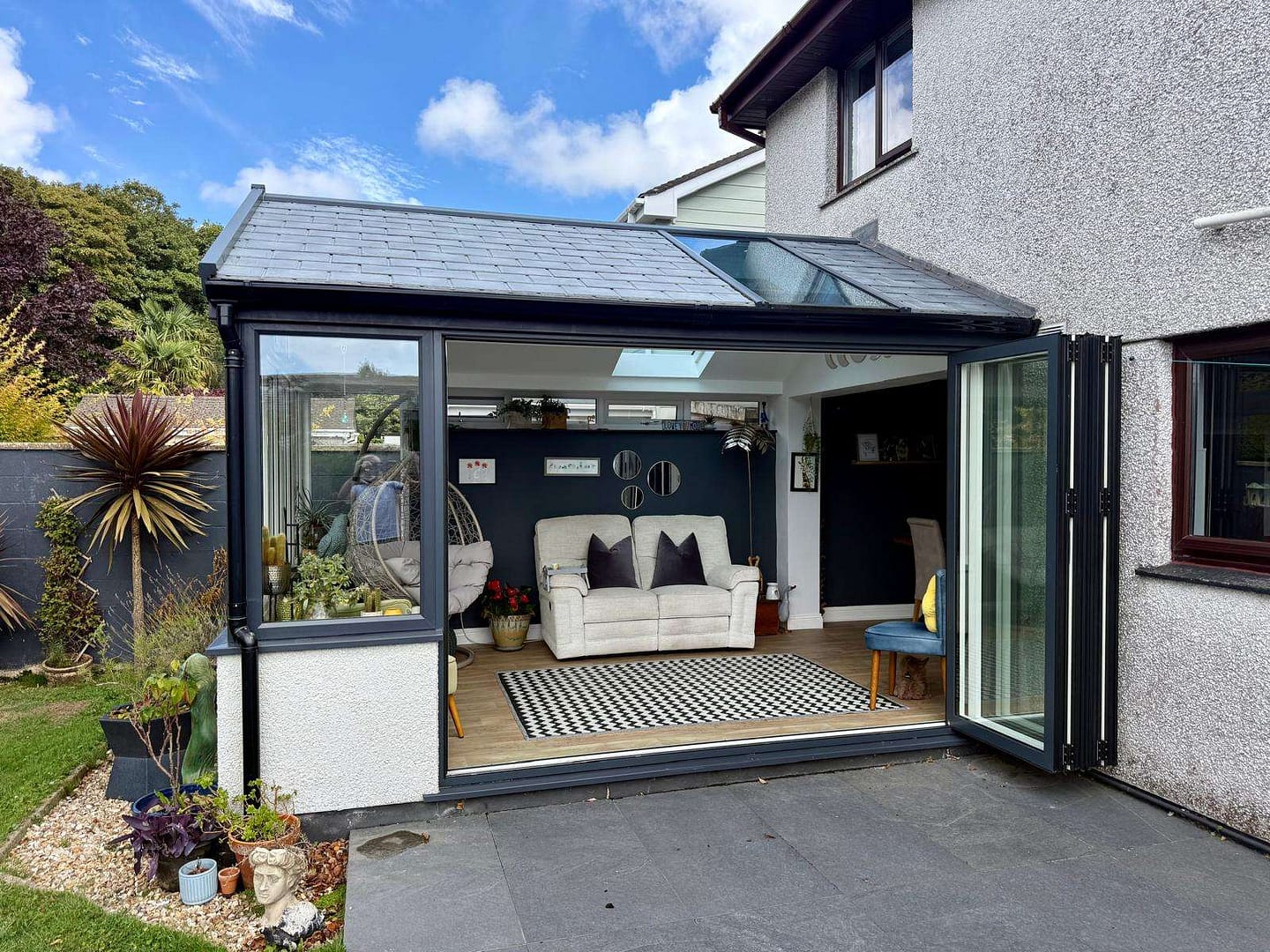

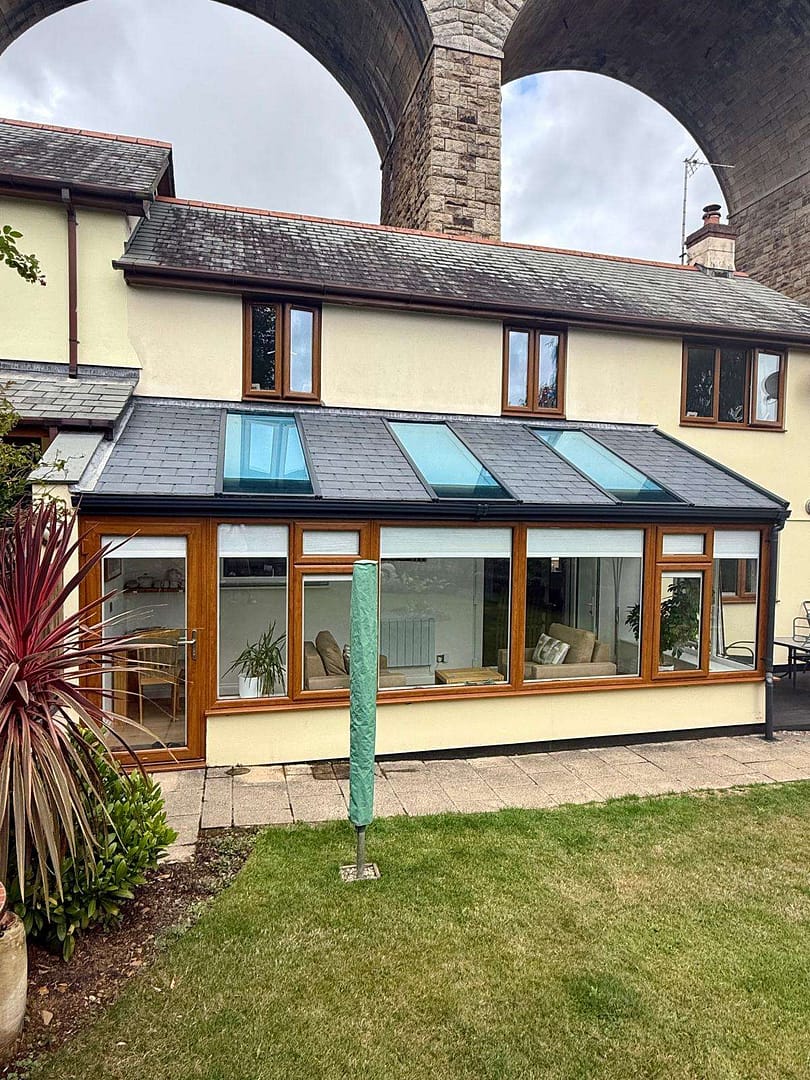
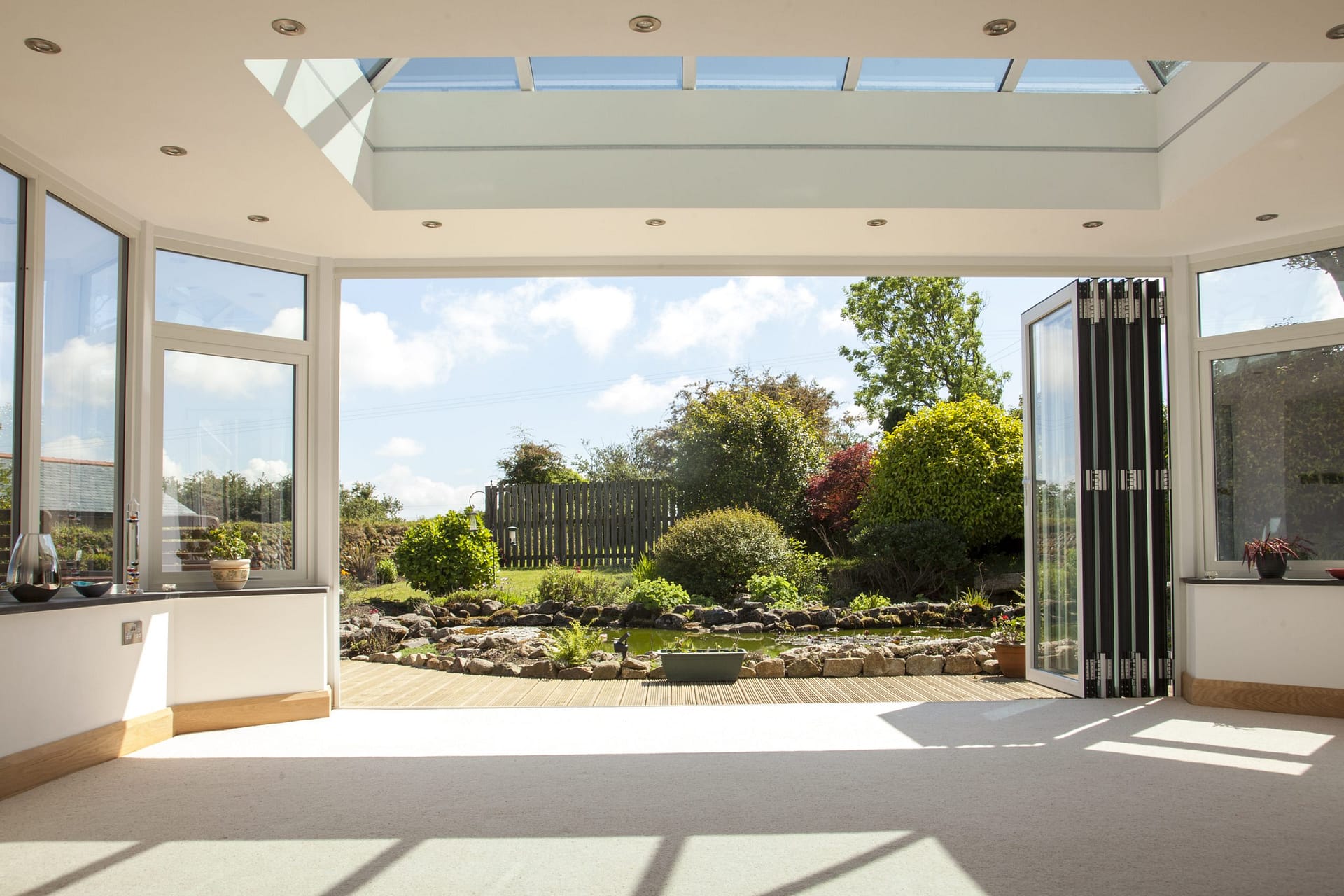
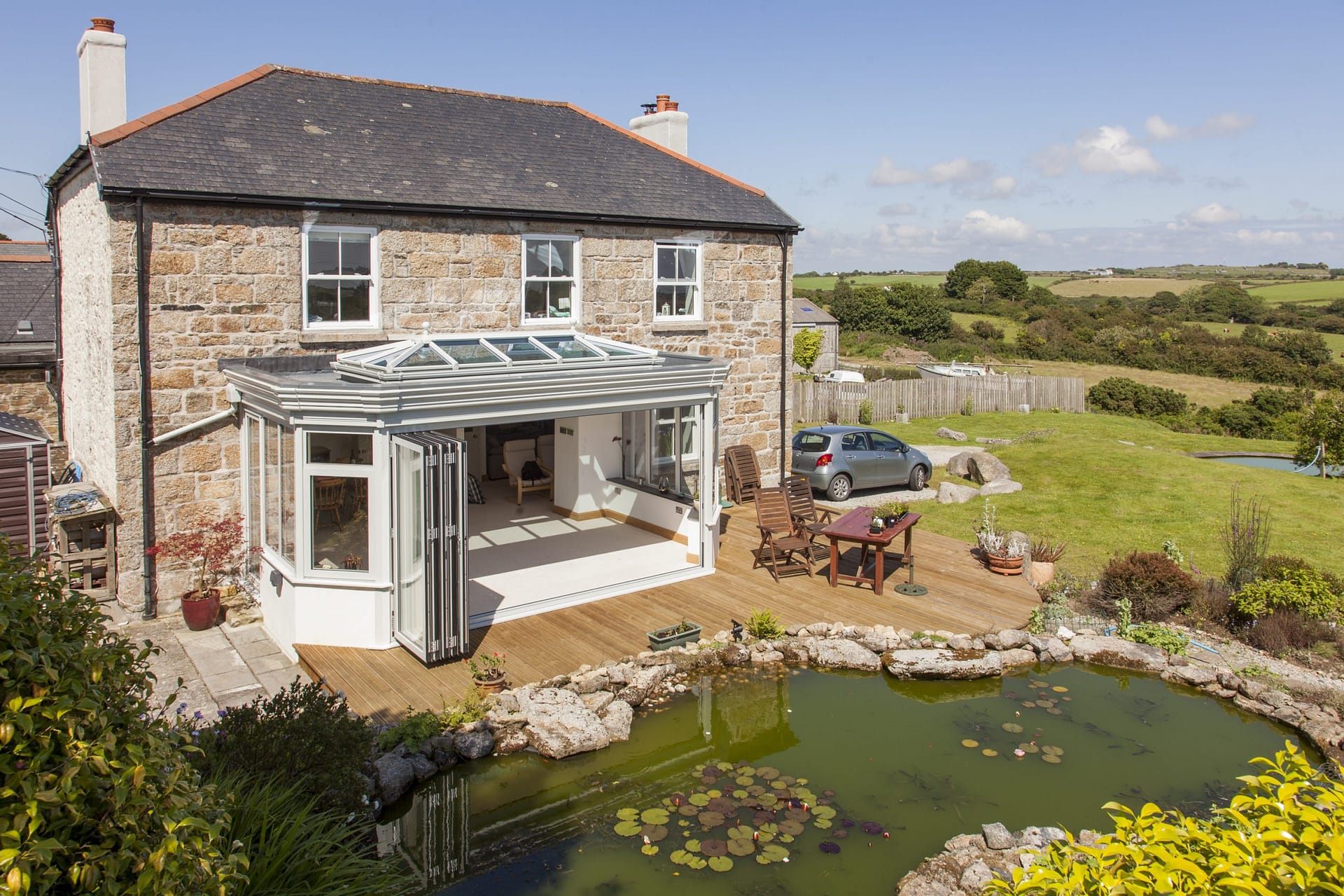
An existing conservatory in Angarrack has been given a more room-like feel with a replacement roof that ties into its existing vertical frames.
Continue reading “Roof Replacement for an Angarrack Conservatory”

Made in Cornwall for over 35 years
10 year guarantee
An existing conservatory in Angarrack has been given a more room-like feel with a replacement roof that ties into its existing vertical frames.
Continue reading “Roof Replacement for an Angarrack Conservatory”
A new front door should do more than look good. It needs to suit the property, close cleanly, resist Cornwall’s weather and give you confidence every time you lock it.
Philip Whear supplies and installs front and back doors across Cornwall. This guide explains what to compare before choosing a composite door and when another material may be a better fit for your home.

A composite door can be an excellent choice when you want strong security, useful insulation, a broad range of designs and less routine maintenance than a traditional painted timber door. Compare the complete doorset—including frame, glass, locks, threshold, hardware and fitting—rather than judging the door slab alone.
A composite door uses a combination of materials to achieve a balance of strength, thermal performance, weather resistance and appearance. The exact construction varies between systems. That is why two doors both described as “composite” can differ in their core, outer skin, frame, glazing, hardware and tested performance.
The useful question is not simply “Is it composite?” Ask what the full doorset includes, how it has been tested, whether the specification suits your property and who will be responsible for surveying and installing it.
The door leaf, frame, hinges, lock, cylinder, glazing and installation need to work together as one complete doorset.
Good seals, a suitable frame, glazing and accurate fitting can reduce draughts and improve hallway comfort.
A durable factory finish avoids routine painting, while straightforward cleaning helps protect the door and hardware.
A secure entrance depends on the relationship between the door leaf, frame, hinges, lock, cylinder, glazing and installation. A long list of lock features is reassuring only when the parts work together and the frame is fixed correctly into the opening.
When comparing doors, ask:
Avoid assuming that one branded lock proves the performance of the whole door. Your quotation should identify the complete specification clearly.
A well-specified replacement door can reduce draughts and make the hallway feel more comfortable. The door leaf is only part of that result. Seals, frame design, glazing, threshold choice, accurate measurement and careful fitting all influence how the entrance performs.
Cornwall homes can face wind-driven rain and salt-laden air, even away from the immediate seafront. Tell the surveyor about the direction of the doorway, whether it is sheltered by a porch and any history of water ingress or corrosion. Hardware and finishes should be chosen for the actual exposure, then maintained in line with the manufacturer’s guidance.
Composite doors are generally chosen for a durable factory finish that does not need regular painting. They still benefit from sensible care: wash the door and frame, keep drainage routes clear, clean seals and look after hinges, locks and hardware. Homes near the coast may need more frequent freshwater cleaning to remove salt deposits.
The entrance should belong to the building. A simple cottage door, a traditional panelled design and a contemporary door with long glazing can all be appropriate in different settings. Colour, glass, handles, letterplates and side panels should be selected together, not as isolated extras.
If you would like to compare finishes in person, visit the Philip Whear showroom in Cornwall before committing to a final design.

Composite is not automatically the best choice for every home. The right material depends on budget, proportions, exposure, maintenance expectations and the appearance you want.
Composite: A strong all-round option for security, insulation, colour choice and low maintenance. Compare the exact construction and doorset specification. Explore front and back door options.
uPVC: Usually a practical, cost-conscious choice with simple maintenance and a wide range of familiar styles. Explore uPVC doors in Cornwall.
Aluminium: Well suited to clean contemporary designs, slim lines and a premium architectural finish. Explore Origin aluminium doors.
Timber: Offers natural character and can be ideal for a traditional property when the design and maintenance commitment are right. Explore timber doors in Cornwall.
For a high-security, design-led option, you can also explore Gerda entrance doors and discuss which specification is appropriate for your property.

Core construction, frame, glazing, hardware, threshold and fitting all influence how a replacement door looks and performs. A measured survey makes it possible to compare doorsets on the details that matter to your home.
The total should state exactly what is being supplied and fitted. Check the door and frame, colour inside and out, glazing, threshold, handles, letterplate, knocker, locks, cylinder, removal of the old door, disposal, trims, sealants and making good. If side panels or top lights are included, make sure their glass and security specification is clear.
An older stone or rendered opening may not be perfectly square. A proper survey should consider the reveals, damp or movement, floor level, drainage, accessibility and how the threshold will meet the internal and external surfaces. The lowest threshold is not always the best answer if exposure and water management are ignored.
Decorative glass changes the appearance and can affect privacy, daylight, thermal performance, security and price. Ask what glass is included and where safety glazing is required. View samples where possible: a small brochure image does not show how obscured, coloured or textured glass will look in changing daylight.
Ask which parts of the product and installation are covered, for how long, and who will respond if the door needs adjustment after fitting. A door settles through use and seasonal change; clear local aftercare can be as valuable as the headline specification.
Cornwall’s housing ranges from exposed coastal homes to granite cottages, Victorian terraces and modern developments. The town name is useful for finding a local installer, but the individual building should drive the specification.
For exposed entrances around Penzance or Newquay, discuss orientation, hardware finishes and maintenance. For older homes around Truro, Redruth or Camborne, pay particular attention to proportions, glass and how the frame will meet stone or render.

Listed buildings, conservation areas and properties with special planning conditions may need additional advice before a visibly different door is ordered. If there is any doubt, establish the position with the relevant authority before manufacture.
A meaningful price needs a defined specification and a measured opening. The main cost drivers are the door system, size, colour and finish, glazing, security hardware, threshold, side panels, access, removal of the old door and any making good.
A low headline price may exclude items that appear in a more complete quotation. Compare like with like and ask for exclusions to be stated. Philip Whear can survey the entrance and prepare a property-specific quotation rather than relying on a generic online figure.
A straightforward replacement is often completed within a day, although the opening and finishing work determine the real timescale. The installer should protect the work area, remove the old frame carefully, prepare and fix the new doorset, seal it against the weather, adjust the hardware and show you how to operate and maintain it.
Before the team leaves, open, close and lock the door yourself. Check the keys, handles, letterplate, threshold and finish from both sides. Ask how to register any guarantee and whom to contact if the door needs adjustment.
Composite doors often provide a more substantial feel and a higher-specification choice of design, insulation and security. uPVC can still be the better-value option for some homes. Compare the actual doorsets, not material labels alone.
They can be, provided the full system, hardware and installation suit the exposure. Tell the surveyor about prevailing weather and salt air, and follow the recommended cleaning and maintenance routine.
Yes. Choose restrained proportions, sympathetic glazing and a colour that works with the stonework and surrounding windows. A flush or simple panelled appearance may suit better than a highly contemporary design.
Many straightforward replacements can be fitted within a day. Uneven openings, side panels, access constraints or additional making good may require longer. Your survey and quotation should set the expectation.
Many ordinary replacements are straightforward, but listed buildings, conservation areas and property-specific conditions can change the answer. Check before ordering if the appearance or material is changing or the building has protected status.
Philip Whear surveys, supplies and installs made-to-measure doors across Cornwall. Start by exploring the Doors Cornwall range, then request a property-specific quotation or visit the showroom to compare styles, colours and hardware in person.
An existing conservatory has been transformed into a bright, contemporary garden room that opens naturally onto the patio and garden.
Continue reading “From Dated Conservatory to Light-Filled Garden Room”
Coastal exposure and historic character can make window replacement more demanding. The right result balances appearance, ventilation, weather resistance, maintenance and careful installation.
For budgeting, see our detailed new windows cost guide for Cornwall. This article explains where a more tailored specification may affect the final quotation.

Planning the specification? Compare the value and appearance of uPVC, flush sash and aluminium windows, then review the factors that affect installation costs for Cornwall homes.
Coastal homes need windows and hardware specified for exposure, while period homes need proportions and details that respect the building. Some properties have both challenges. A survey should assess orientation, wind and rain, salt air, existing openings, ventilation, access and any planning constraints before a final price is given.
A home does not need to sit directly on the seafront to experience demanding weather. Prevailing winds, driving rain and salt-laden air can affect exposed elevations around Cornwall. Hardware, seals, drainage, fixings and finishes must be selected and maintained appropriately.
This is especially relevant for homes around Newquay, St Ives, Falmouth and Penzance, although the individual position and orientation matter more than the town name alone.
Correct frame drainage, seals and perimeter finishing help resist wind-driven rain.
Hinges, locks, handles and coatings should suit the exposure and receive suitable maintenance.
Replacement windows should improve comfort without overlooking healthy background ventilation.
uPVC, flush sash and aluminium windows can all work in coastal areas when the full system is suitable for the site. Material alone does not determine performance. Frame design, reinforcement, hardware, glazing, installation and care all matter.
Aluminium can give slim contemporary lines and strength, while uPVC offers low maintenance and a broad choice of styles. Flush sash can provide a more understated appearance for cottages and traditional façades.
Period properties often rely on window proportions, sightlines and opening patterns for much of their character. Replacing an inappropriate modern frame with a better-considered design can improve the entire elevation, but the choice should be made carefully.
A granite cottage near Wadebridge, a village home around Helston and a period terrace in Truro may each call for different frame details. Homes around Hayle can combine traditional construction with coastal exposure.
Useful local SEO should reflect this real variation: the town page helps homeowners find the service, while the home survey determines the actual specification.
Many like-for-like window replacements do not need planning permission, but listed buildings, properties in conservation areas and homes with specific conditions may require consent or specialist advice. Do not order frames until the position is clear. Where approval matters, appearance, materials and glazing details may influence what is acceptable.
A straightforward standard opening is usually less expensive than a bespoke frame for an uneven stone reveal, a shaped opening or a detailed heritage appearance. Specialist glass, hardware, access equipment, careful removal and additional making good can also add cost.
Those additions are not unnecessary extras when they are required for the property. The aim is a window that looks appropriate and performs properly for years. When reviewing offers, use our window quote comparison checklist to confirm that each supplier has allowed for the same property-specific work.
Low maintenance does not mean no maintenance. Wash frames and glass, clear drainage paths, inspect seals, and care for hardware in line with the installer’s guidance. Coastal homes may benefit from more frequent cleaning to remove salt deposits. Report stiffness, damaged seals or water entry early rather than forcing an opening mechanism.
There is no single best material for every coastal home. Choose a complete system whose frame, hardware, glazing and installation are suitable for the property’s exposure.
Yes. Flush sash and carefully proportioned casement designs can provide modern performance with an appearance that is sympathetic to a traditional property.
They can be, particularly where bespoke sizes, heritage details or complex installation are involved. A survey is needed for an accurate comparison.
Philip Whear has decades of experience surveying, manufacturing and installing windows for Cornwall properties. We will assess the building and explain the available options clearly.
A clear window quotation should let you understand what is being supplied, who will install it and what happens if you need help later. Comparing only the total can hide important differences.
Before requesting quotes, read our guide to new window costs in Cornwall for realistic price ranges and the factors that affect them.

Check the specification before comparing totals. First compare the value and suitability of uPVC, flush sash and aluminium windows, then review the factors that can change window installation costs in Cornwall.
Make sure every quotation covers the same openings and a comparable frame, glass, hardware, colour and installation specification. If one total is much lower, look for an omitted item or a meaningful product difference before assuming it is better value.
The quote should identify the rooms or elevations, approximate sizes, opening configurations and number of frames. Check which panes open, where handles are positioned and whether escape or ventilation requirements have been considered.
“uPVC window” is not a complete specification. Ask about the profile, frame style, colour inside and out, drainage, reinforcement and suitability for the opening. If you are comparing standard casement, flush sash and aluminium options, the quote should make that distinction obvious.
Check the stated energy specification rather than relying on a general claim that the window is efficient.
Confirm toughened or laminated safety glass and obscure patterns where they are required.
Specialist glazing may be worth discussing for busy roads, strong sun or exposed rooms.
Handles, hinges, restrictors, locks and opening mechanisms affect price and everyday use. Ask to see the proposed hardware where possible, particularly if anyone in the household has accessibility needs.
A strong quotation is backed by a proper survey. Establish whether the installer uses its own experienced team, how the windows are made to measure, and who is responsible for resolving any discrepancy between survey and installation.
Homes in Cornwall are not uniform. A terrace in Truro, a cottage near Helston, a coastal property around St Ives and a modern home in Hayle can present very different access, exposure and design requirements.
A surveyor who understands local construction and weather can specify the opening rather than offering a one-size-fits-all answer.
Check how long the product and installation are covered, what exclusions apply and who handles service requests. A guarantee is most valuable when it is supported by an established business with a clear local contact.
Most like-for-like replacements are straightforward, but listed buildings, conservation areas and unusual changes in appearance can need further advice. Our guide to windows for coastal and period homes explains these property-specific considerations in more detail. Bedrooms, bathrooms and low-level glazing may also have specific safety, escape or ventilation considerations. A quotation should not ignore these points.
Check deposit requirements, stage payments, expected manufacture and installation dates, and what happens if timings change. Avoid making a decision under artificial pressure. A considered home-improvement purchase should allow time for questions.
Look for evidence of work on properties like yours, recent reviews, an accessible showroom or business address, and a team that can explain the specification plainly. Homeowners searching for windows in Redruth or windows in Camborne can visit Philip Whear’s Pool showroom to compare styles and finishes in person.
There is no fixed number. Get enough information to understand the market and make a confident comparison, but prioritise detailed, comparable specifications over collecting many headline totals.
They may use different frame systems, glazing, hardware, installation allowances or guarantees. Ask each company to explain the specification line by line.
You should feel able to review the details, ask questions and make an informed choice without pressure.
Philip Whear provides free home surveys and detailed quotations for made-to-measure windows across Cornwall, supported by local manufacture and experienced installation.
Two homes with the same number of windows can receive different quotations. Frame choices matter, but access, the condition of the openings and the work needed for a neat, weatherproof finish can be just as important.
Use this guide alongside our Cornwall window price guide to understand what a professional survey is assessing.

Still choosing a frame style? Compare the value, appearance and performance of uPVC, flush sash and aluminium windows before finalising the specification. When offers arrive, use our homeowner’s checklist for comparing window quotes on a like-for-like basis.
Window installation cost is affected by the size and number of openings, frame material, glazing, access, height, existing frame removal, repairs around the opening, finishing work and the weather exposure of the property. A home survey is the reliable way to turn guide prices into an accurate quotation.
A standard rectangular casement is generally quicker to manufacture and install than a large bay, bow, arched or unusually shaped window. Multiple opening sections, decorative bars and complex frame combinations add material and manufacturing time.
Replacing several windows together may make the project more efficient because measuring, manufacturing, delivery and fitting can be planned as one job. It does not mean that every window has the same unit price.
Usually the most cost-effective starting point, with many opening and colour choices.
A more detailed frame style often selected for cottages and period-looking properties.
Higher initial cost in many cases, with slim sightlines and strength for larger openings.
Not every opening needs identical glass. Bathrooms may require obscure glazing, low-level windows may need safety glass, road-facing rooms may benefit from acoustic options, and exposed elevations may need a specification selected for local conditions. Glass size, thickness and performance all influence price.
Ground-floor windows with clear access are normally more straightforward than upper-storey windows above conservatories, extensions, narrow side paths or sloping ground. Scaffolding, lifting, extra protection or a larger fitting team may be needed. The quotation should make these requirements clear.
A survey reduces surprises, but older homes can reveal damaged timber, loose render, failing sealant, uneven stonework or previous alterations around the opening. A reputable quotation should explain the expected making-good and how unforeseen defects will be handled.
Cornwall has modern estates, traditional terraces, granite cottages, converted barns and highly exposed coastal homes. The fitting approach for a sheltered bungalow may not be suitable for a stone cottage facing Atlantic weather. Our guide to replacing windows in coastal and period homes explains the extra specification questions in more detail.
Properties around Falmouth, Newquay and Penzance can be affected by salt air, wind and driving rain. Homes in and around Wadebridge range from rural and period properties to newer developments. Specification should follow the individual site rather than a postcode assumption.
Frame colour, woodgrain finish, dual-colour options, handles, hinges, locks, cills and trims all contribute to the final figure. These details also affect how the finished windows sit with the home’s doors, render, stone and roofline.
Check whether the quotation covers removal of the old frames, responsible disposal, internal and external trims, sealants and reasonable making good. A low headline figure can become less attractive if essential work is excluded.
Correct measuring, suitable fixings, careful sealing and tidy finishing are fundamental to long-term performance. The window itself cannot compensate for a poor installation. When comparing prices, establish who will carry out the survey and fitting, how the work is guaranteed and who you contact if a problem appears later.
It can. Uneven openings, stonework, access and making good may require more time, but age alone does not determine the price. A survey is essential.
It can be more efficient than several separate projects, but the saving depends on the home and specification. Phased replacement may still be sensible where budget or condition varies.
Not automatically. Compare like for like and check that product specification, installation, finishing, disposal and guarantee are all included.
Philip Whear provides free home surveys across Cornwall, with windows measured, made to order and fitted by an experienced local team.
The best-value window is not automatically the cheapest. It is the option that suits your property, performs well in its location and gives you the appearance, maintenance level and lifespan you expect.
This guide compares three popular choices for Cornwall homes. For typical price ranges, start with our 2026 Cornwall window cost guide.

Budgeting for the fitting work? Read our guide to what affects window installation costs in Cornwall, including access, glazing and making good. For an older or exposed property, also see how coastal and period-home requirements affect the specification.
uPVC casement windows usually give the lowest initial cost and easy maintenance. Flush sash windows cost a little more but can be better value where a traditional appearance matters. Aluminium windows generally require a higher budget, but their strength and slim frames can be worthwhile for contemporary homes and larger openings.
A useful comparison goes beyond the price on the quotation. Consider how the frame will look on the building, whether it is suitable for exposed weather, how much upkeep it needs, the glazing and hardware specification, and the quality of the survey and installation.
Frame material, size, colour, opening style and glazing all affect the starting price.
Weather resistance, security, ventilation and correct installation determine how well a window performs.
A window that complements the age and character of the home can protect kerb appeal and value.
uPVC is the most common choice for replacement windows because it combines competitive pricing, good thermal performance and low maintenance. It can suit modern estates, bungalows, rental homes and many traditional properties when the frame style and finish are chosen carefully.
Homeowners considering windows in Redruth, windows in Camborne or windows in St Austell can compare casement, coloured and heritage-style uPVC options during a home survey.
Flush sash windows sit neatly within the outer frame. Their clean, understated appearance works particularly well on cottages, village homes and period properties where standard projecting casements can look too modern.
They usually cost more than a basic uPVC casement, but the additional spend can be good value when preserving character matters. They are a popular option for homeowners researching windows in Truro, windows in Helston and other parts of Cornwall with a mix of historic and contemporary homes.
Aluminium is often selected for modern properties, extensions and larger glazed openings. The material’s strength allows slimmer sightlines, helping to maximise the glass area and create a more architectural finish.
The initial cost is normally higher than uPVC, but aluminium may represent better value where appearance, frame strength and consistency with aluminium bi-fold or sliding doors are priorities. The chosen coating, hardware and installation details should suit Cornwall’s weather and any coastal exposure.
The right answer may also be a mixture. For example, a homeowner might select aluminium for a new extension and carefully styled uPVC or flush sash frames elsewhere.
Yes. Standard white uPVC is usually the most economical option. Coloured foils, woodgrain effects, dual-colour frames and specialist aluminium finishes can increase the price. The best choice is one that works with the roof, render, stonework and doors rather than being selected in isolation.
Even a high-specification window will disappoint if it is measured or fitted poorly. Cornwall homes can have stone openings, render, uneven reveals and exposed elevations that require careful assessment. A proper survey allows the installer to specify the frame, glass, ventilation, cills, trims and fixings for the individual property.
No. Aluminium offers particular design and strength benefits, but uPVC can provide excellent value and performance for many homes. The property and opening should determine the choice.
They generally cost more than standard uPVC casements because of their design and finish. The extra cost can be worthwhile on a cottage or period property.
Yes. A coordinated mixed specification can work well, particularly where an extension has a different architectural style from the original house.
Philip Whear surveys, manufactures and installs made-to-measure windows across Cornwall. We can explain the cost and performance differences clearly and recommend an option suited to your property.
If you are planning to replace your windows in Cornwall, one of the first questions is usually cost. The answer depends on the style, size, frame material, glazing, access, installation requirements and the number of windows being replaced.
This guide explains the main factors that affect new window prices, what homeowners should budget for, and why the quality of the survey and installation is just as important as the window itself.

As a general guide, replacement windows in Cornwall can range from around £500 to £900 per window for standard uPVC casement windows, through to £1,500 to £3,500+ for larger bay windows or more complex designs.
A full home replacement can vary significantly depending on the number of windows, property style, access, glazing requirements and whether you choose uPVC, flush sash, aluminium or more specialist systems. The most accurate way to price the work is through a proper home survey.
There is no single fixed price for new windows because every home is different. A simple replacement window in a modern property will usually cost less than a large shaped window in a period cottage, a bay window on a front elevation, or a property exposed to coastal weather.
The figures below are useful guide prices to help homeowners understand likely budgets before arranging a survey.
Typical guide price per window
Popular for modern homes, rental properties and straightforward replacements. uPVC is cost effective, low maintenance and energy efficient.
Typical guide price per window
A strong option for cottages, period homes and properties where a more traditional appearance is needed.
Typical guide price per window
Best for larger feature windows, multi section front elevations and homes where kerb appeal is a priority.
Typical guide price per window
Often chosen for contemporary homes, extensions and properties where slim sightlines and strength are important.
Typical guide price per window
Suited to period homes, townhouses and properties where maintaining a traditional look is important.
Best priced after inspection
The final cost depends on the number of openings, access, window styles, glazing and installation complexity.
These figures are intended as a guide only. The final cost of new windows will always depend on a proper survey, the property, the chosen specification and the installation requirements.
No two homes are exactly the same, especially in Cornwall where properties range from modern estates and bungalows to cottages, townhouses, converted barns, coastal homes and older properties with more complex openings.
The final cost of replacement windows is usually shaped by several key factors.
The more windows being replaced, the higher the overall project cost. However, replacing multiple windows at the same time can often be more efficient than completing the work in smaller stages.
Large windows, bay windows, shaped frames, arched windows and unusual openings usually cost more than standard rectangular designs.
uPVC is usually the most cost effective option. Aluminium usually costs more but offers slimmer sightlines and excellent strength for larger openings.
Acoustic glass, toughened safety glass, obscure glass, solar control glass and higher performance glazing can all affect the cost.
Standard white frames are usually the most cost effective. Coloured foils, woodgrain effects, heritage finishes and dual colour frames can increase the cost.
Access, height, existing frame condition, render, stonework, internal reveals and the age of the property can all influence installation time.
Cornwall homes often face conditions that can be more demanding than inland properties. Coastal exposure, salt air, strong winds, driving rain and older stone or rendered openings can all affect the best window choice.
For homes near the coast, it is important to consider hardware, ventilation, weather resistance and long term durability. The right specification can help reduce draughts, improve comfort and protect the property for the future.
This is why a proper home survey matters. A window that works well in a sheltered modern estate may not be the right choice for a coastal cottage, exposed elevation or older property with unusual openings.
Replacing windows one by one can help spread the cost, but it is not always the most efficient option. For many homeowners, replacing several windows together provides better value because the survey, manufacturing, delivery and fitting process can be planned as one project.
A full home replacement can also create a more consistent appearance, improve energy efficiency across the whole home and reduce the need for repeated disruption.
That said, not every homeowner wants or needs to replace every window at the same time. A good survey should help you understand which windows are the priority and whether a phased approach makes sense.
For many Cornwall homes, new windows are worth the investment because they can improve everyday comfort as well as the appearance and performance of the property.
For homes in exposed areas of Cornwall, new windows can also improve weather resistance and make the home feel more comfortable throughout the year.
Philip Whear offers free home surveys and quotations across Cornwall. Every project is measured, made to order and installed by experienced fitters.
uPVC windows are often the most affordable replacement window option. They are popular because they offer a strong balance of price, energy performance, security and low maintenance.
A standard uPVC casement window will usually cost less than aluminium, sliding sash or more bespoke designs. However, the final cost will still depend on the size, opening style, glazing, colour and installation details.
uPVC is a strong choice for homeowners who want reliable performance without the maintenance requirements of traditional timber.
Aluminium windows usually cost more than uPVC, but they are often chosen where appearance, strength and slim sightlines are a priority.
They can work particularly well on contemporary homes, extensions, larger openings and coastal properties where homeowners want a more architectural finish. Aluminium is also well suited to matching bi-fold doors, sliding doors and modern glazed areas.
If you are considering aluminium windows, the cost should be weighed against the visual impact, durability and long term performance they can provide.
Flush sash windows are typically more expensive than standard uPVC casement windows because of their design and finish. They are created to sit flush within the frame, giving a cleaner and more traditional appearance.
This makes them especially suitable for Cornish cottages, period homes, village properties and homes where a standard modern casement window may look out of place.
For homeowners who want a traditional look with modern energy performance, flush sash windows can be a strong option.
Bay windows are usually more expensive than standard windows because they involve multiple sections, larger frames and more detailed installation. The existing structure, size of the bay and condition of the current window can all affect the final cost.
Although they can be a bigger investment, bay windows are often one of the most important features of a home. Replacing an old bay window can transform the front of the property, increase natural light and improve comfort inside the room.
When comparing window quotes, it is easy to focus only on the product and the price. However, the quality of the survey and installation is just as important as the window itself.
A good window fitted badly will not perform as it should. Poor installation can lead to draughts, leaks, sticking openings, poor sealing, damage to surrounding finishes and long term issues that could have been avoided with better workmanship.
At Philip Whear, every project is properly surveyed before manufacture. The windows are made to measure and installed by experienced fitters who understand Cornwall homes, from modern properties to older houses with more complex openings.
A good window quote should be clear, detailed and specific to your home. It should explain what is included and what specification is being proposed.
Philip Whear has been manufacturing and installing windows and conservatories in Cornwall for over 35 years. The business is based in Cornwall, understands local homes and offers a full survey, design, manufacture and installation service.
As a guide, standard uPVC casement windows can cost from around £500 to £900 per window, while larger or more specialist designs such as bay windows, sliding sash windows or aluminium systems can cost more. The final price depends on the property, window style, glazing and installation requirements.
Standard uPVC casement windows are usually the most cost effective replacement window option. They offer good energy efficiency, low maintenance and strong value for many Cornwall homes.
Yes, aluminium windows are usually more expensive than uPVC. However, they offer slimmer sightlines, a contemporary appearance and excellent strength, particularly for larger openings and modern homes.
Yes, you can replace windows in stages. However, replacing several windows at the same time can often be more efficient because survey, manufacturing, delivery and installation can be planned together.
Most like for like window replacements do not require planning permission. However, listed buildings, conservation areas and properties with specific restrictions may need additional advice before work begins.
The timescale depends on the number of windows, access and installation complexity. A straightforward replacement can often be completed quickly, while whole home replacements or more complex properties will take longer.
New windows can help reduce draughts, improve comfort and make rooms feel warmer and quieter. For older or exposed Cornwall homes, replacing poor performing windows before winter can be a worthwhile investment.
Philip Whear provides a 10 year guarantee for added peace of mind. Always check the guarantee details before choosing a window company.
The right choice depends on your property, budget and preferred appearance. uPVC is cost effective and low maintenance, flush sash suits traditional homes, and aluminium is often chosen for contemporary designs and larger glazed openings.
Yes. Visiting the showroom is a useful way to compare window styles, frame finishes, hardware and glazing options before making a decision.
Continue exploring our most popular services and helpful resources for homeowners across Cornwall.
Discover our range of made to measure replacement windows, expertly manufactured and installed across Cornwall.
Compare uPVC, flush sash and aluminium windows for Cornwall homes.
See how access, glazing, frame removal and finishing influence a quotation.
Use a practical checklist to compare frame, glazing, installation and guarantee details like for like.
See how exposure, heritage character, planning and installation details can affect the right specification.
Composite, uPVC, French, patio, sliding and bi fold doors designed for homes throughout Cornwall.
Create beautiful additional living space with bespoke conservatories and glazed extensions.
Arrange a free home survey with Philip Whear. We will assess your property, talk through the best options and provide a clear quotation based on your home.
Bespoke windows and doors, designed, manufactured and installed in Cornwall for long-term performance
Choosing the right windows in Cornwall or doors in Cornwall is about more than style. It is about quality, durability and how well the product is suited to your home and location.
Working with a local manufacturer means your windows and doors are designed with Cornwall in mind. From coastal weather conditions to traditional property styles, locally made products are built to perform in real environments, not just factory conditions.
If you are planning a project, our window installation in Cornwall service combines bespoke manufacturing with expert fitting for a complete, high-quality result.

Choosing a local manufacturer gives you more control, better quality and a product that is tailored to your home.
Unlike mass-produced alternatives, locally made windows and doors are built around your requirements, ensuring a better fit, improved performance and a longer lifespan.
Every property is different, especially across Cornwall where homes range from coastal cottages to modern extensions. Bespoke windows in Cornwall allow you to match both the character of the building and the performance requirements of the location.
Made to measure
Each window is designed to fit your property exactly, improving both appearance and efficiency.
Improved energy efficiency
Modern glazing and construction help reduce heat loss and improve comfort year-round.
Designed for coastal conditions
Materials and finishes are chosen to withstand wind, rain and salt exposure.
Long-term durability
Higher quality construction means fewer issues over time.
The same approach applies to doors in Cornwall. Whether you are upgrading a front entrance or installing patio doors, locally manufactured systems offer better performance and flexibility.

Enhanced security
Modern locking systems and strong construction improve home security.
Tailored design
Choose styles, colours and finishes that match your home.
Durability in exposed locations
Materials are selected for long-term performance in Cornwall conditions.
Seamless integration
Doors are designed to work alongside your windows for a consistent finish.
Manufacturing is only part of the process. Proper window installation in Cornwall is essential to ensure performance, efficiency and longevity.

A professional installation ensures:
The best way to understand the difference is to see the products in person. Visiting a showroom allows you to compare materials, finishes and styles before making a decision.

Choosing locally manufactured windows and doors gives you a product that is designed, built and installed with your home in mind.
From bespoke design through to expert installation, working with a Cornwall-based manufacturer ensures a higher standard of quality and a better long-term result.
Local manufacturers understand Cornwall’s conditions and produce windows designed for long-term performance in coastal and rural environments.
Yes. Bespoke windows are made to fit your property exactly, improving both appearance and efficiency.
High-quality materials and tailored construction mean locally made doors often provide better durability.
Yes. Proper installation ensures performance, energy efficiency and long-term reliability.
Yes. Visiting a showroom allows you to see the quality and design options in person.
Whether you are upgrading your home or planning a new installation, choosing locally manufactured windows and doors is a decision that delivers long-term value.
Planning your project? Read our Cornwall window cost guide and see what affects installation costs before arranging a survey.
Open up your home to the garden, patio or sea view with bespoke doors designed for Cornwall living
Cornwall homes are made for natural light, fresh air and beautiful views. Whether you live by the coast, overlook the countryside or simply want a better connection to your garden, the right doors can completely transform the feel of your home.
Modern bi-fold and sliding doors in Cornwall are one of the most effective ways to create a brighter, more open living space. With larger glazed areas, slim frames and smooth operation, they help blur the line between indoors and out while adding a sleek, contemporary finish to both traditional and modern properties.
If you are comparing options, our doors in Cornwall page showcases bespoke door solutions designed for performance, style and long-term durability.
Cornwall’s homes are often shaped by their surroundings. From garden terraces and family patios to coastal outlooks and sea-facing extensions, properties across the county benefit from glazing that makes the most of the view.
Bi-fold and sliding patio doors are ideal because they help you enjoy:
For many homeowners, these doors are not just about appearance. They also improve how the home functions day to day, especially in kitchens, dining areas and living rooms that open onto patios or landscaped gardens.
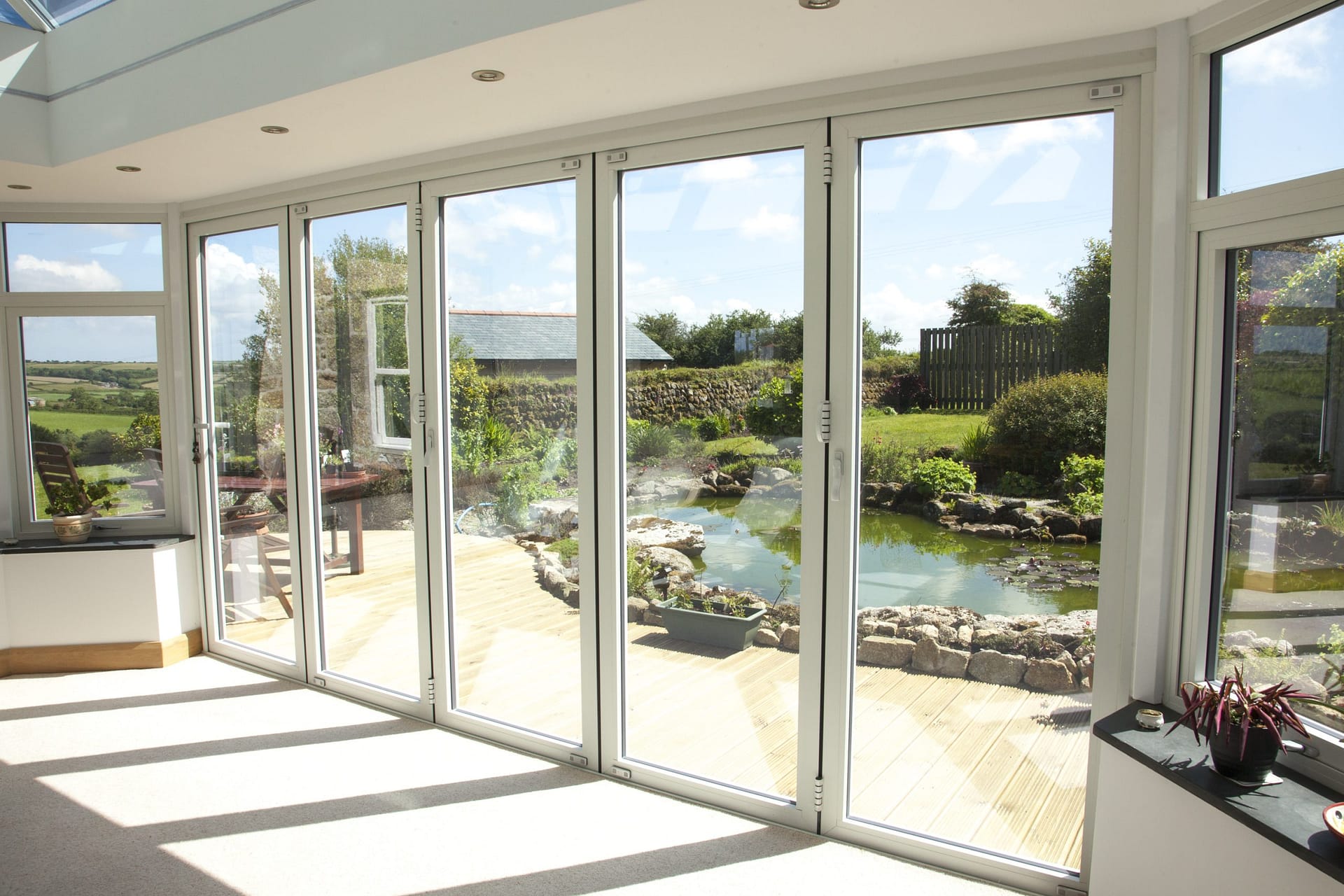
Bi-fold doors are made up of multiple glazed panels that fold and stack neatly to one side. When fully opened, they create a wide, dramatic opening that can transform the way a room connects to the outside.
This makes them particularly suited to:
In Cornwall, bi-fold doors are especially popular where homeowners want to open a room directly onto a patio, terrace or lawn, making indoor-outdoor living feel natural and effortless.
Wider overall opening
Bi-fold doors can open up most of the wall, creating a strong sense of flow between inside and outside.
Perfect for entertaining
They are ideal for homes where family and guests move between the kitchen, dining area and garden.
Slim aluminium frames
Modern aluminium systems offer strength, clean lines and a contemporary appearance.
Excellent thermal performance
High-performance glazing helps keep the room comfortable throughout the year.
If your priority is uninterrupted sightlines and maximum glass area, sliding doors are often the better choice. Instead of folding, the panels glide behind one another, allowing for larger panes of glass and fewer visible frames.
That makes sliding doors especially well suited to homes with:
For Cornwall properties overlooking the coastline or countryside, sliding doors can turn the outside view into a feature of the room itself.
Larger glazed panels
Sliding systems usually allow for bigger panes of glass and reduced frame lines.
Uninterrupted views
They are ideal for homeowners who want to preserve sightlines to the garden, sea or surrounding landscape.
Smooth and simple operation
High-quality tracks make large doors easy to use every day.
Space-saving design
Because the doors slide rather than fold, they do not require the same opening clearance.
For coastal homes and exposed locations, material choice matters. Aluminium is a particularly strong option for patio doors in Cornwall because it combines durability with a slim, modern appearance.
This makes aluminium doors suitable for both contemporary properties and traditional homes that want a cleaner, more refined glazing system.
The best option depends on how you want to use the space and what matters most to you.
Choose bi-fold doors if you want:
Choose sliding doors if you want:
If you are unsure which system would work best, visiting a showroom and seeing the doors in person is often the best place to start.
You can also explore our recent gallery of installations to see how bespoke door systems look across a range of Cornwall homes.
Whether you are renovating a coastal property, upgrading a rear extension or planning a new living space, bi-fold and sliding patio doors can completely change the atmosphere of your home.
They bring in more daylight, enhance the view and create a stronger connection to the garden, patio or coastline beyond.
Bi-fold and sliding patio doors are both excellent choices for opening up a home to the garden.
Yes. Bi-fold doors maximise natural light and create a seamless indoor-outdoor connection.
Sliding doors often have fewer vertical frames and larger glass panels, helping preserve uninterrupted views.
Aluminium is a popular choice because it is durable, corrosion-resistant and allows for slim frames.
Bi-fold doors create the widest opening, while sliding doors provide larger panes of glass and cleaner sightlines.
Choosing between bi-fold and sliding doors is not just about style. It is about how you want to live and how best to connect your home to its surroundings.